Samrat Path Labs Blog
Fasting vs Non-Fasting: The Best Time for Your Blood Test
Unsure when to take your blood test? Discover the difference between fasting and non-fasting blood tests, their optimal timing, and why doctor's advice is key f
Google Ad Space
Blood tests are an indispensable tool in modern healthcare, providing vital insights into our overall health. However, a common question often arises: "When is the best time to do a blood test, and do I need to fast?" This seemingly simple question holds significant importance for the accuracy and reliability of your results. आइए जानते हैं कि आपके रक्त परीक्षण के लिए सबसे अच्छा समय कब है और उपवास बनाम गैर-उपवास का क्या मतलब है ताकि आप सही तैयारी कर सकें।
What is a Fasting Blood Test?
A fasting blood test requires you to abstain from food and drink (except plain water) for a specific period, usually 8 to 12 hours, before your blood sample is taken. The purpose is to ensure that the results are not influenced by recent meals, which can temporarily alter certain levels in your blood. यह सुनिश्चित करने के लिए किया जाता है कि आपके रक्त में कुछ स्तर हाल ही के भोजन से प्रभावित न हों, जो अस्थायी रूप से बदल सकते हैं और गलत परिणाम दे सकते हैं।
Why is Fasting Required for Some Tests?
When you eat, your body begins to process nutrients. This leads to temporary spikes in substances like glucose (blood sugar) and triglycerides. Fasting provides a baseline measurement, reflecting your body's typical levels without immediate dietary interference. यह माप महत्वपूर्ण है क्योंकि यह दिखाता है कि आपके शरीर में ये स्तर सामान्य रूप से कैसे व्यवहार करते हैं जब भोजन का प्रभाव नहीं होता है। उपवास एक आधारभूत माप प्रदान करता है, जो तत्काल आहार हस्तक्षेप के बिना आपके शरीर के विशिष्ट स्तरों को दर्शाता है।
Common Fasting Blood Tests:
- Lipid Panel (Cholesterol & Triglycerides): This test measures your total cholesterol, LDL (bad) cholesterol, HDL (good) cholesterol, and triglycerides. Food can dramatically increase triglyceride levels, making fasting essential for an accurate cardiovascular risk assessment. वसा प्रोफाइल, जिसमें कोलेस्ट्रॉल और ट्राइग्लिसराइड्स शामिल होते हैं, के लिए उपवास बहुत महत्वपूर्ण है। भोजन के बाद ट्राइग्लिसराइड्स का स्तर नाटकीय रूप से बढ़ सकता है, जिससे हृदय रोग के जोखिम का सटीक मूल्यांकन करने में मुश्किल हो सकती है। इसलिए, सटीक परिणामों के लिए 9-12 घंटे का उपवास आवश्यक है।
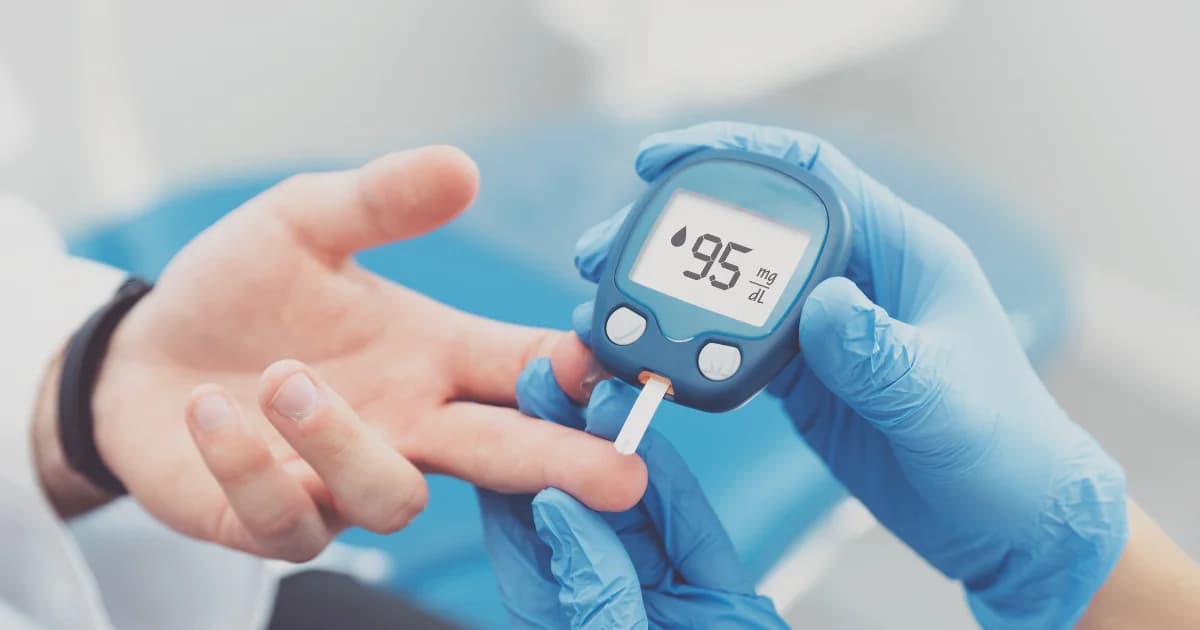
- Glucose (Blood Sugar) Test: Used to screen for or monitor diabetes. Eating before this test will show artificially elevated blood sugar levels, rendering the results misleading and potentially leading to an incorrect diagnosis. यदि आप मधुमेह के लिए जांच करवा रहे हैं, तो भोजन से पहले यह परीक्षण करने पर कृत्रिम रूप से बढ़ा हुआ रक्त शर्करा का स्तर दिखाई देगा, जिससे परिणाम भ्रामक हो जाएंगे और आपको सही उपचार नहीं मिल पाएगा।
- Some Liver Function Tests: While not always mandatory, certain liver function markers can be affected by food, and your doctor might advise fasting.
Tips for a Successful Fasting Test:
- Drink Water: You can and should drink plain water. This helps you stay hydrated and makes vein access easier.
- Medications: Consult your doctor about prescribed medications. Most can be taken with water, but some might need adjustment.
- Avoid: Coffee, tea, juices, alcohol, chewing gum, and smoking during the fasting period, as these can impact your results.
What is a Non-Fasting Blood Test?
Many blood tests do not require any special preparation regarding food or drink. These are known as non-fasting tests. For these tests, you can eat and drink normally before your appointment. कई रक्त परीक्षणों के लिए भोजन या पेय के संबंध में किसी विशेष तैयारी की आवश्यकता नहीं होती है। इन्हें बिना उपवास वाले परीक्षण के रूप में जाना जाता है। इन परीक्षणों के लिए, आप अपनी नियुक्ति से पहले सामान्य रूप से खा-पी सकते हैं, जिससे सुविधा होती है।
Why is Fasting Not Required for Some Tests?
For certain markers, recent food intake doesn't significantly alter their levels, or the test aims to measure levels that reflect your body's normal, daily functioning, including after meals. उदाहरण के लिए, रक्त कोशिकाओं की संख्या पर भोजन का कोई खास प्रभाव नहीं पड़ता। कुछ मार्करों के लिए, हाल ही में भोजन का सेवन उनके स्तर को महत्वपूर्ण रूप से नहीं बदलता है, या परीक्षण का उद्देश्य उन स्तरों को मापना है जो भोजन के बाद सहित आपके शरीर के सामान्य, दैनिक कामकाज को दर्शाते हैं।
Common Non-Fasting Blood Tests:
- Complete Blood Count (CBC): This test measures various components of your blood, including red blood cells, white blood cells, and platelets, providing insights into conditions like anemia, infection, and blood disorders. भोजन का CBC परिणामों पर कोई महत्वपूर्ण प्रभाव नहीं पड़ता है, इसलिए इसके लिए उपवास की आवश्यकता नहीं होती है।
- Thyroid Function Tests (TFT): Measures hormones produced by the thyroid gland. Food typically doesn't interfere with these results.
- Kidney Function Tests (KFT) - Creatinine & BUN: While protein intake can temporarily affect BUN, creatinine levels are generally stable. Your doctor will advise if fasting is needed.
- Vitamin D Levels: Food intake does not affect vitamin D levels, making it a convenient non-fasting test.
- Electrolyte Panel: Measures sodium, potassium, chloride, and bicarbonate.
- Many Hormone Tests: Such as testosterone, estrogen, and cortisol (though cortisol often has specific timing requirements unrelated to fasting).
When is the Best Time to Schedule Your Blood Test?
For fasting tests, morning appointments are generally preferred. This allows you to fast overnight and get your blood drawn early, minimizing the duration you need to go without food. After the test, you can immediately have your breakfast. उपवास परीक्षणों के लिए, सुबह की नियुक्तियाँ आमतौर पर पसंद की जाती हैं। इससे आपको रात भर उपवास करने और सुबह जल्दी रक्त निकालने का मौका मिलता है, जिससे भोजन के बिना रहने की अवधि कम हो जाती है। परीक्षण के बाद, आप तुरंत अपना नाश्ता कर सकते हैं, जिससे दिनचर्या पर कम असर पड़ता है।
For non-fasting tests, you have more flexibility regarding the timing. However, for consistency, especially if you're undergoing repeat tests to monitor a condition, try to schedule your appointments around the same time of day. This helps in comparing results accurately over time.
The Crucial Role of Doctor's Advice
The single most important piece of advice regarding blood tests is to always follow the specific instructions given by your doctor or the lab technician. They will inform you whether fasting is required for your particular tests and for how long. Ignoring these instructions can lead to inaccurate results, potentially necessitating a re-test or, worse, leading to misdiagnosis and inappropriate treatment. रक्त परीक्षणों के संबंध में सबसे महत्वपूर्ण सलाह हमेशा आपके डॉक्टर या लैब तकनीशियन द्वारा दिए गए विशिष्ट निर्देशों का पालन करना है। वे आपको बताएंगे कि आपके विशेष परीक्षणों के लिए उपवास की आवश्यकता है या नहीं और कितने समय के लिए। इन निर्देशों की अनदेखी करने से गलत परिणाम हो सकते हैं, जिससे संभवतः पुनः परीक्षण की आवश्यकता हो सकती है, या इससे भी बदतर, गलत निदान और अनुचित उपचार हो सकता है, जो आपके स्वास्थ्य के लिए हानिकारक हो सकता है।
Conclusion
Understanding the difference between fasting and non-fasting blood tests, and the optimal timing for each, is vital for accurate health assessments. While many tests don't require fasting, those that do are critical for diagnosing and managing conditions like diabetes and heart disease. Always confirm with your healthcare provider about any special preparations needed for your blood work. Your health is paramount, and accurate testing is the first step towards informed care!
उपवास और गैर-उपवास रक्त परीक्षणों के बीच के अंतर को समझना, और प्रत्येक के लिए इष्टतम समय, सटीक स्वास्थ्य आकलन के लिए महत्वपूर्ण है। जबकि कई परीक्षणों के लिए उपवास की आवश्यकता नहीं होती है, जो मधुमेह और हृदय रोग जैसी स्थितियों का निदान और प्रबंधन करने के लिए महत्वपूर्ण हैं। अपने रक्त परीक्षण के लिए आवश्यक किसी भी विशेष तैयारी के बारे में हमेशा अपने स्वास्थ्य सेवा प्रदाता से पुष्टि करें। आपका स्वास्थ्य सर्वोपरि है, और सटीक परीक्षण सूचित देखभाल की दिशा में पहला कदम है! सही समय पर सही परीक्षण करवाना आपके स्वस्थ जीवन के लिए बहुत महत्वपूर्ण है।
Google Ad Space